

 Canadian Dollar
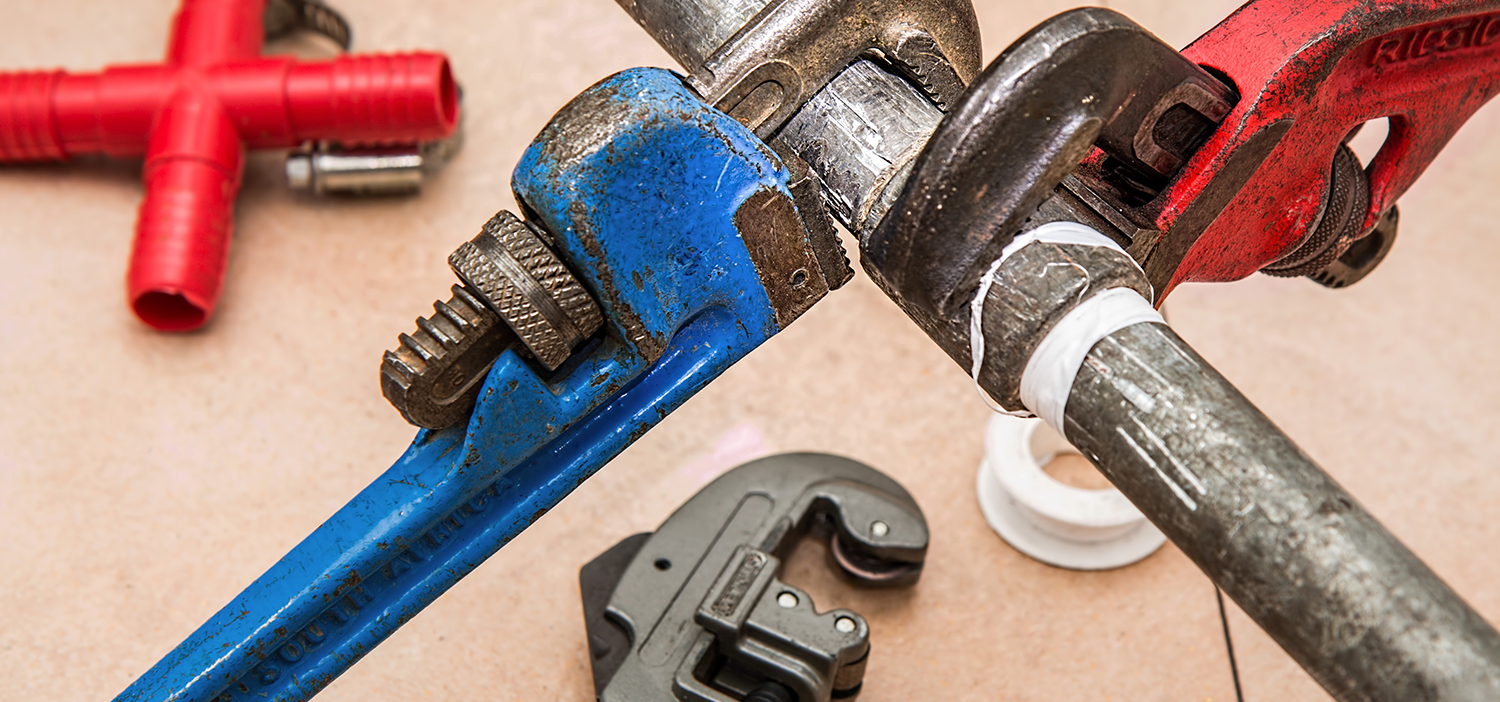
Why Professional Plumbers Trust Teflon Tape (And How to Use It Like a Pro)
Teflon tape, also known as PTFE tape or plumber's tape, creates leak-proof connections in plumbing and HVAC systems. This versatile tool is favored by professional plumbers, HVAC technicians, and DIY enthusiasts for its reliable sealing capabilities. Whether you're handling residential repairs or industrial maintenance, comprehending how to use Teflon tape effectively can make a significant difference. Explore its trusted applications and benefits and uncover practical tips for mastering its use. Discover how Teflon tape can enhance your projects and connect with Tape Jungle's top-quality PTFE tape products.
Understanding Teflon Tape: An Overview
Teflon tape, or PTFE tape, is a must-have for plumbers and HVAC technicians. Known as plumber's tape or thread seal tape, it ensures tight seals in threaded pipe connections, preventing leaks and maintaining system integrity.
Its main job is to seal pipe threads, which are often imperfect and prone to leaks. By wrapping the tape around the threads, it fills gaps and creates a watertight seal. This makes it pivotal in not just plumbing, but also in gas, air, and hydraulic systems, where preventing leaks is requisite.
Teflon tape stands out for its versatility. It resists chemicals, high temperatures, and pressure, making it suitable for various applications. Its non-stick nature also allows for easy disassembly during maintenance and repairs.
Choosing the right type of Teflon tape is paramount. Standard PTFE tape works for most plumbing tasks, while specialized versions are better for gas lines or high-pressure settings. Selecting the right tape ensures systems perform well and last longer.
Teflon Tape vs. Pipe Dope: Which to Use?
For sealing threaded connections, professionals often choose between Teflon tape and pipe dope. Each has its strengths, and knowing these can guide you in selecting the right one for your job.
Teflon tape, made from PTFE, is wrapped around pipe threads to create a leak-proof seal. It's easy to apply, resists chemicals, and handles high temperatures and pressures. Its non-stick nature makes it clean and simple to remove, which is handy for maintenance.
Pipe dope, or pipe joint compound, is a paste applied to threads. It fills gaps and hardens, making it ideal for situations with vibration or movement, where a durable bond is necessary. It's often used for more permanent seals or in environments with mechanical stress.
When deciding, think about your project's needs. Teflon tape suits jobs requiring easy application and removal, like residential plumbing. Pipe dope is better for industrial settings needing a strong, lasting seal, especially with larger pipes that face vibration.
Choosing between them depends on the job's specifics, materials, and conditions. Understanding each option ensures a secure seal tailored to your needs. For more on selecting the right sealing solution, check out Tape Jungle's PTFE tape range for diverse applications.
How to Use Teflon Tape: Application Steps
To ensure a leak-proof seal in plumbing or HVAC projects, apply Teflon tape correctly. Here’s how to do it like a pro:
- Prepare the Threads: Clean and dry the pipe or fitting threads thoroughly. Any dirt, oil, or moisture can weaken the seal.
- Start at the End: Begin wrapping the tape at the thread's starting point, closest to the pipe opening. This prevents unraveling when the fitting is tightened.
- Wrap in the Thread Direction: Follow the thread's direction as you wrap. This ensures the tape compresses properly when the fitting is screwed on, avoiding bunching or peeling.
- Overlap Each Layer: Slightly overlap the tape with each wrap to cover the threads completely. Generally, 2-3 layers suffice, but larger fittings might require more.
- Tear and Smooth the Tape: Tear the tape after covering the threads and press it firmly to eliminate air pockets that could cause leaks.
- Avoid Common Mistakes: Overwrapping can make fittings hard to screw on and lead to poor seals. Ensure no tape extends beyond the thread ends to avoid contamination.
By following these steps, you can achieve a dependable seal that prevents leaks and maintains system integrity. For more detailed guidance, explore Tape Jungle's resources or reach out to their experts for tailored advice.
Selecting the Best Teflon Tape for Gas Lines
Selecting the right Teflon tape for gas lines is necessary for safety and efficiency. Gas lines demand a specific type of tape that can handle the pressure and prevent leaks effectively. Look for Teflon tape specifically labeled for gas use, typically yellow, which sets it apart from the standard white PTFE tapes. This yellow tape is thicker and denser, providing a stronger seal suited for the pressures in gas lines.
Gas-rated Teflon tape is designed with higher density and chemical resistance to ensure durability and safety over time. This is great for maintaining a secure connection and avoiding potential hazards. Applying the tape correctly is requisite; ensure complete coverage and a tight seal to prevent dangerous leaks.
For those seeking reliable Teflon tape for gas lines, Tape Jungle offers a selection crafted to meet industry standards, ensuring peace of mind and dependable performance. For more details or to discuss specific requirements, reach out to Tape Jungle's expert team.
Teflon Tape for Specialized Applications
When dealing with specialized systems like oxygen lines, choosing the right Teflon tape is fundamental. Oxygen lines require a specific green Teflon tape that is rigorously tested to ensure it doesn't react with oxygen or other reactive gases. This tape must be non-reactive and capable of maintaining a secure seal under various pressures and temperatures to prevent leaks and ensure safety.
For industrial maintenance technicians and facility managers, it’s imperative to understand the specifications of Teflon tape for these applications. Tape Jungle offers a selection of PTFE tapes designed for such demanding environments, meeting industry standards for safety and performance. For tailored advice and product recommendations, reach out to Tape Jungle's experts.
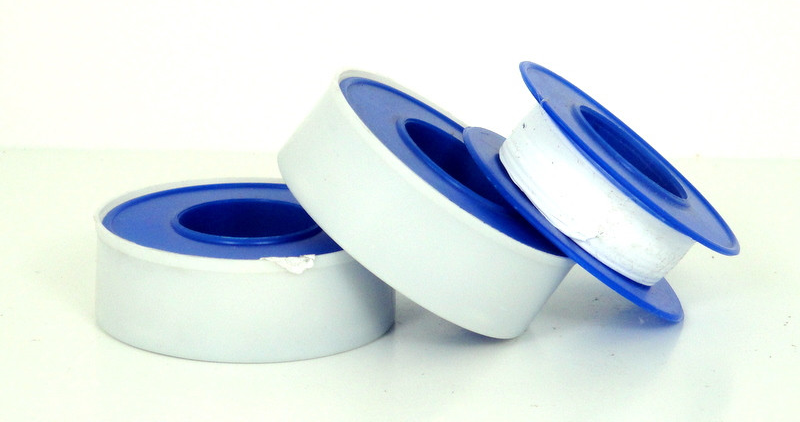
Why Use Teflon Tape: Key Benefits
Professional plumbers and HVAC technicians rely on Teflon tape for its unmatched sealing capabilities. Its primary function is to prevent leaks, which is necessary for maintaining the integrity of plumbing and HVAC systems. This is especially necessary in gas and air systems, where even minor leaks can pose safety risks or reduce efficiency.
Teflon tape's versatility is another major advantage. It can handle a wide range of temperatures and pressures, making it suitable for everything from home plumbing to industrial applications. Its chemical resistance ensures durability in environments where other materials might fail.
Ease of use is a significant reason for its popularity. The non-stick nature of Teflon tape makes it easy to apply and remove, simplifying maintenance and repairs. This feature also makes it a cost-effective choice, as it reduces labor time and effort compared to alternatives like pipe dope.
For both professionals and DIY enthusiasts, Teflon tape offers an economical solution. Its affordability and effectiveness make it a smart choice for ensuring durable seals. Procurement professionals can specify Teflon tape for various applications, achieving cost savings without sacrificing performance.
Teflon tape's reliable sealing, versatility, ease of use, and cost-effectiveness make it a tool in plumbing and HVAC work. For more details on choosing the right Teflon tape, explore Tape Jungle's extensive product range and expert resources.
Troubleshooting Common Teflon Tape Issues
While Teflon tape is a reliable tool, improper use can lead to problems. Recognizing these issues and knowing how to address them is key to maintaining system performance.
- Leaks are a common issue, often caused by incorrect application. If the tape isn't wrapped tightly or in the correct direction, it won't seal properly. To fix this, ensure the tape is snugly wrapped in the direction of the threads, with enough layers to cover them completely.
- Tape shredding is another problem, usually due to using tape that's too thin or applying too much force. For high-pressure situations, choose a thicker tape and apply it with steady, gentle pressure to avoid tearing.
- Sometimes, fittings become hard to tighten or loosen, often because too much tape was used, causing binding. Stick to 2-3 layers and make sure the tape doesn't extend past the thread ends to prevent this.
- For systems that require frequent maintenance, leftover tape can interfere with new seals. Always clean the threads thoroughly before reapplying tape to ensure a secure fit.
For more troubleshooting tips and personalized advice, reach out to Tape Jungle’s support team. They can provide solutions tailored to your specific needs.
Get Your Teflon Tape from Tape Jungle
Teflon tape is a go-to for professionals in plumbing, HVAC, and various industries due to its dependable sealing and versatility. By understanding its uses, choosing the right type, and applying it correctly, you can maintain system integrity and efficiency.
Whether you're a professional or a DIY enthusiast, mastering Teflon tape applications can greatly improve your projects. For expert guidance and to explore Tape Jungle’s range of PTFE tape products, contact us online. Our team is ready to help you find the perfect solution for your needs.