

 Canadian Dollar
Why Standard Tape Fails on Boats and What to Use Instead
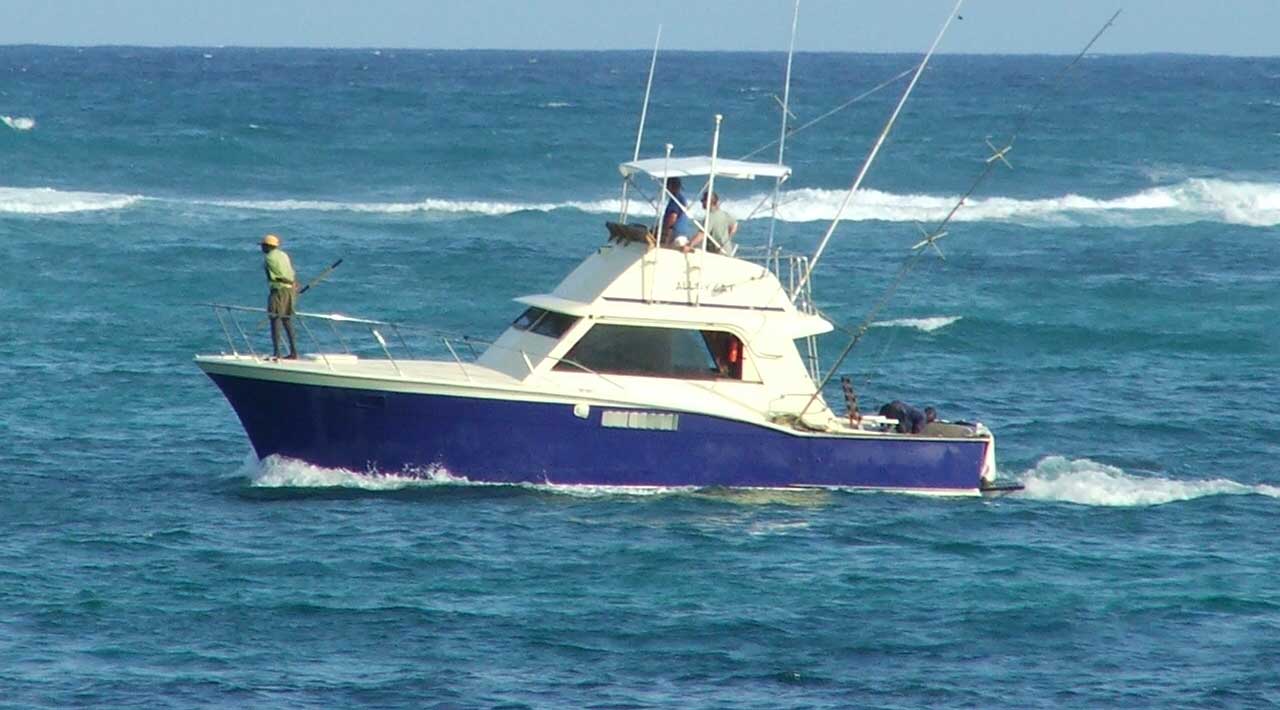
Boat painting, refinishing, and maintenance projects place unique demands on masking and surface protection materials, where standard boat tape often falls short under UV exposure, salt spray, and moisture-heavy conditions. Conditions that may have little impact in controlled environments can quickly expose weaknesses in vessels, docks, and waterfront work sites, especially when searching for the best tape for boats that can hold up under real marine exposure.
Why Marine Environments Destroy Standard Tape
Constant UV exposure is one of the most common causes of tape failure. Sunlight degrades adhesives and backing materials over time, reducing holding power and making tape more difficult to remove cleanly. On exposed surfaces, prolonged UV exposure can leave tapes brittle, cracked, or prone to tearing during removal.
Salt presents another challenge. Salt spray and airborne contaminants can degrade adhesive performance, contributing to edge lifting, premature bond failure, and residue on gelcoat, fiberglass, painted surfaces, and marine finishes. Cleanup often requires additional labor and can increase the risk of surface damage.
Temperature fluctuations further complicate marine work. Hulls, decks, and cabin surfaces may shift from intense sunlight to shade throughout the day, creating expansion and contraction that can stress the adhesive bond. As tape edges lift, paint bleed and uneven lines become more likely.
Moisture exposure adds another layer of risk in marine environments, where humidity, spray, and routine washdowns challenge even high-tack adhesives. In these situations, expectations for waterproof tape for boats often come into play, particularly when crews need edge sealing and stable adhesion around hulls, decks, and exterior fittings.
For boat owners, marine painters, boatyards, and maintenance crews, tape selection can directly affect finish quality, labor requirements, and project timelines. Products that perform well in general-purpose applications often struggle when exposed to the combination of sun, salt, moisture, and temperature extremes found on the water.
The Real Cost of Using the Wrong Tape on a Boat
Choosing the wrong tape for marine projects can lead to unexpected expenses and setbacks. Paint bleed is a frequent issue with standard tapes, as they often fail to create a tight seal. This results in paint seeping under the tape, marring the finish and requiring additional time and effort to fix, which can push back project deadlines and inflate labor costs.
Adhesive residue is another concern. Standard tapes can leave sticky residues on surfaces such as gelcoat, teak, or aluminum, which are tough to clean and may damage these materials. This can lead to costly repairs, especially on high-end finishes like teak decks or polished aluminum, potentially affecting the vessel's appearance and client satisfaction.
Additionally, standard tapes often don't hold up during extended projects. The harsh marine environment breaks down their performance, causing edge lifting or adhesive failure. This means more frequent tape changes, which disrupt work and drive up material costs. These interruptions can add up to significant financial losses for marine professionals.
Understanding these challenges helps professionals choose the right tape, ensuring a quality finish and efficient workflow while safeguarding their bottom line.
What Marine Painters and Boatyards Actually Use
There isn’t a single best tape for boats across all marine applications. Different stages of painting, refinishing, and repair call for different tape technologies. Marine professionals typically select dedicated products for lamination, masking, and surface protection based on the demands of the task and the job site conditions.
Marine Lamination Tape
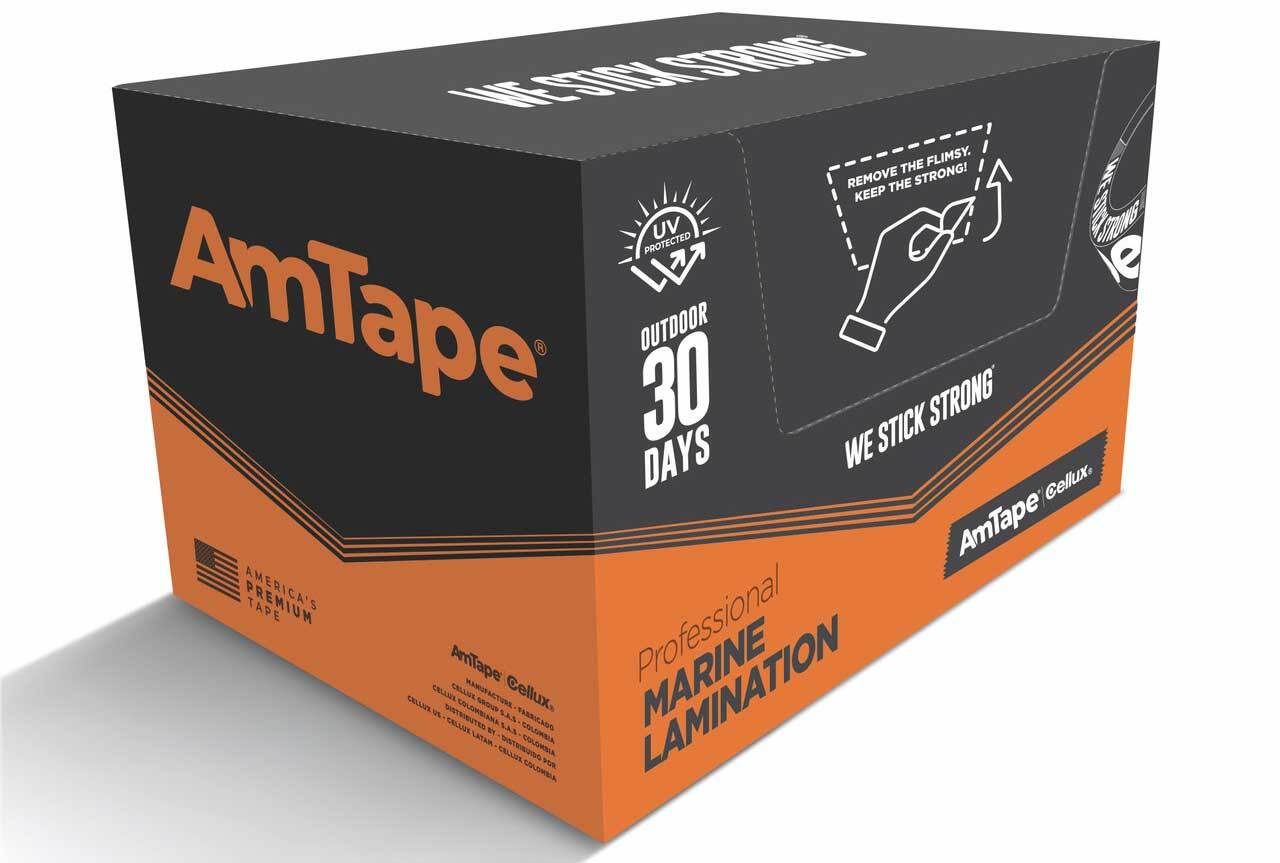
Marine lamination tape is ideal for hull painting, gelcoat work, and fiberglass lamination. It adheres strongly to marine surfaces and resists UV exposure, salt, and moisture. Its sturdy construction meets the demands of marine applications.
High-Performance Marine Masking Tape
Marine painting often involves complex contours, tight radii, trim pieces, hardware, and other irregular surfaces where precision matters. Standard masking products often struggle here, whereas marine professionals select high-performance masking tapes as dedicated boat-painting tape for hull striping, color separation, and detailed refinishing work. It conforms smoothly to curves and edges, maintaining consistent contact throughout multiple coats of paint, primer, clear coat, and protective finishes. This helps produce clean, defined paint lines while reducing the risk of edge bleed, wrinkling, or tape lift during application.
Designed for demanding paint environments, these tapes remain securely in place during spraying, sanding, and finishing operations, then remove cleanly after the job is complete. Their balance of adhesion and conformability makes them well-suited for hull striping, deck markings, trim work, color separations, and detailed refinishing projects where appearance and efficiency are closely tied.
Marine Surface Protection Tape
Marine maintenance and refinishing projects often take place around finished surfaces that must remain free from overspray, dust, abrasion, and contamination. Surface protection tape helps safeguard rails, decks, windows, hardware, stainless steel components, gelcoat, and other exposed areas while painting, sanding, polishing, or performing repairs.
Designed to remain in place throughout demanding shop and dockside conditions, these products create a temporary protective barrier without damaging the underlying surface. Reliable adhesion helps prevent shifting during work, while clean removal reduces the need for additional cleanup once the project is complete. For boatyards, marine contractors, and maintenance crews, surface protection tape helps preserve finished surfaces, reduce touch-up work, and keep surrounding areas in the same condition they were in before the job began.
By using tapes designed for marine environments, boatyards and marine contractors can improve efficiency, reduce rework, and achieve superior results. These tapes withstand harsh conditions on the water and contribute to the success and profitability of marine projects.
Matching the Right Tape to the Job
Marine crews rely on tape for boats across multiple stages of a project, from masking hull lines to protecting finished surfaces during sanding and coating. Marine surfaces vary widely, and masking tape performance shifts with each substrate and work condition. Fiberglass, aluminum, teak, and previously painted finishes each interact differently with adhesive systems, especially under exposure to salt, UV, and moisture common in dockside environments. Fiberglass surfaces often require a specific tape for fiberglass applications, where adhesion must remain steady during sanding, spraying, and coating without damaging gelcoat or affecting surface finish quality. Teak and other natural woods require lighter adhesion to avoid lifting fibers or affecting the grain, while painted surfaces rely on balanced contact to preserve existing coatings and maintain separation lines.
Epoxies, polyurethanes, primers, and marine paints introduce different masking windows, and masking tape selection has to align with both application time and cure duration. A tape that performs well during short spray cycles may struggle when left in place through extended curing, leading to edge bleed, imprinting, or adhesive transfer. Temperature shifts across hulls, decks, and enclosed compartments further influence performance, requiring tapes that hold steady through heat buildup and overnight cooling without shrinking or releasing.
Surface type, coating timing, and environmental exposure work together on the job site. Matching masking tape to these conditions reduces surface defects, limits rework, and maintains consistent finish quality across hulls, trim, and structural components in marine repair and refinishing work.
Where to Buy Marine Tape in Bulk
Boatyards, marine contractors, and maintenance crews often use masking, lamination, and surface protection materials at a steady volume across continuous projects. Bulk purchasing helps maintain a consistent supply across work bays, reduces interruptions during painting or refinishing cycles, and keeps tape selection standardized across teams working on hulls, decks, and structural components.
Boatyards, marine contractors, and maintenance crews commonly select marine-specific tapes in full-case quantities for repeated applications in UV-exposed, salt-spray, and moisture-heavy environments. This includes masking tape for hull painting, lamination tape for composite and finishing work, and surface protection tape for high-contact areas such as rails, walkways, and fittings. Stocking by the case or roll format allows crews to match tape type to substrate and coating system without delay between job stages.
Beyond standard formats, custom-printed tape adds an extra layer of organization in busy marine environments. Color-coded or printed rolls can identify tape type, designated applications, or crew assignments, reducing mix-ups on multi-vessel projects and improving workflow clarity in shared workspaces. It also provides a practical way to distinguish between masking, lamination, and surface protection materials at a glance.
Larger orders streamline inventory management for marinas and shipyards that service multiple vessels simultaneously. Standardizing tape types across crews reduces variation in finish quality. It helps maintain consistent results from one project to the next, even when work shifts between different surfaces and coating systems.
AmTape provides marine-focused tape lines designed for repeated use in professional environments, with packaging options suited for bulk ordering, including custom-printed solutions for operational efficiency and ongoing supply needs across marine maintenance operations.