

 Default Currency
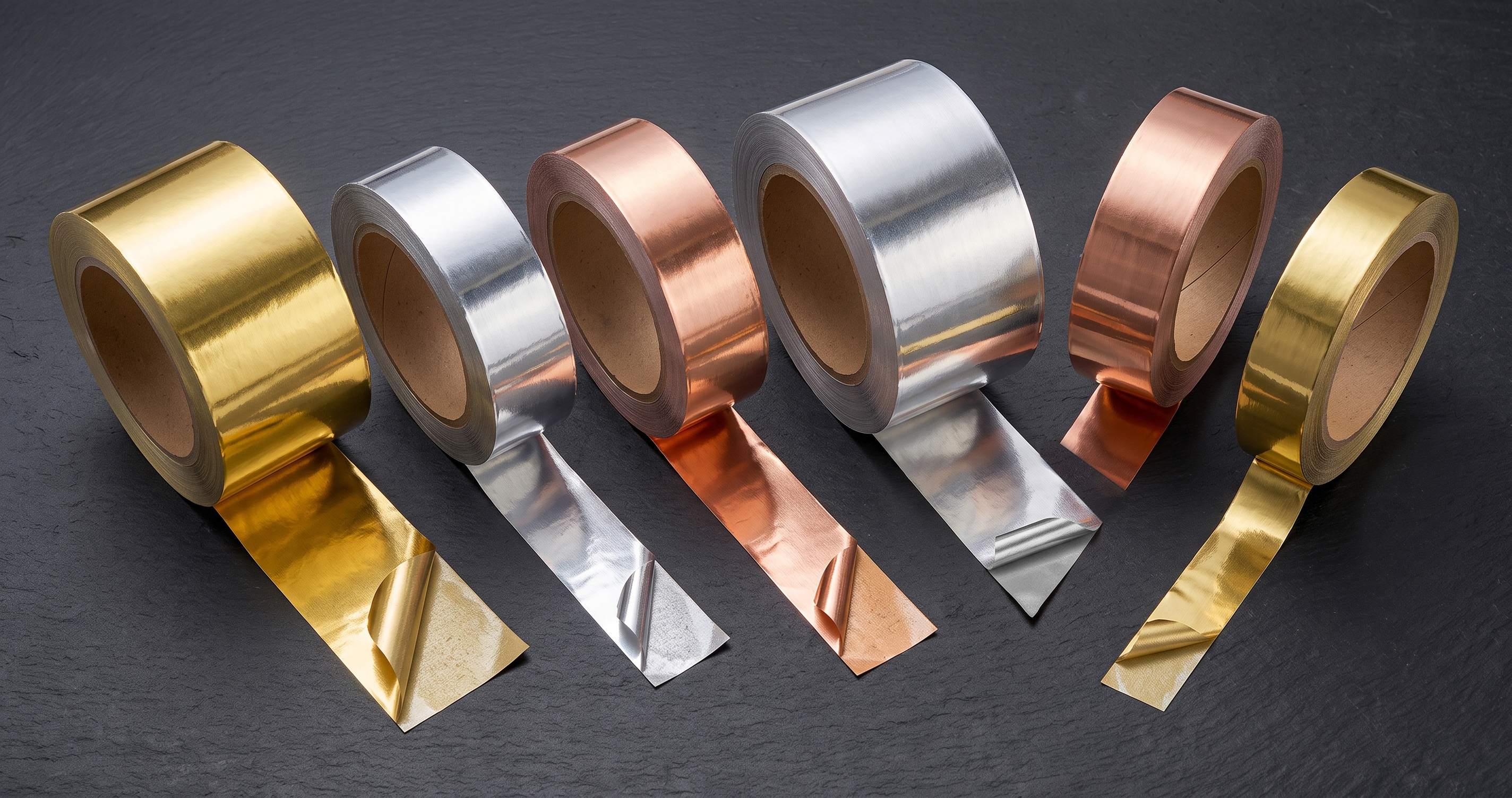
Every Type of Foil Tape and What It's Actually Used For
Foil tape is a top adhesive solution, known for its metal backing that offers exceptional conformability. Heat-resistant foil tape, and tape that doesn’t bend to moisture, are necessary across industries such as HVAC, electronics, and construction. Each type of foil tape offers distinct advantages tailored to specific applications. Copper foil tape, for example, identified by its part number 3883X, is highly valued for its excellent electrical conductivity, making it ideal for soldering and EMI shielding in electronics. General-purpose aluminum foil tape, such as 4X0XXRA, serves a wide range of moderate-demand tasks. Its ability to act as a vapor barrier, reflect heat, and serve as a masking agent makes it a versatile tool in both residential and commercial settings.
It’s best practice for all professionals in these fields, from HVAC contractors to electricians, construction crew members to procurement managers, to know the specific applications of different foil tapes. Learn to navigate the various types of foil tape, ensuring you choose the right one for your needs and achieve optimal results in your projects.
What Makes Foil Tape Unique?
Foil tape, distinguished by its metal backing, offers advantages that are prized across various industries. This backing, typically made from aluminum, copper, or lead, allows the tape to conform easily to uneven and curved surfaces, making it helpful for tasks like ductwork and electronic shielding where a tight seal is required.
Its resistance to heat and moisture sets foil tape apart from standard tapes, which can fail under extreme conditions. This durability makes it perfect for environments with temperature swings or high humidity, such as HVAC systems and outdoor construction.
The reflective nature of the metal backing aids in thermal insulation and energy efficiency. By deflecting heat away from sensitive areas, foil tape helps maintain ideal conditions and extends equipment life. These features reiterate foil tape's versatility and reliability, making it a go-to solution for demanding applications, from electronic shielding to air duct sealing.
Types of Foil Tape and Their Applications
Available in various forms, each type of foiled tape is tailored to specific industry requirements. Knowing these types ensures you choose the most effective tape for your project.
Copper Foil Tape
Copper foil tape, identified by part number 3883X, is prized for its superior electrical conductivity, making it indispensable in the electronics sector for tasks like soldering and EMI shielding. Its conductive nature ensures reliable electrical connections and safeguards electronic components from interference. It also provides a reliable barrier against moisture and chemicals, preserving the integrity of electronic components and artwork.
Its malleability allows it to conform to intricate patterns and shapes, making it a versatile choice for artists and craftsmen. It’s a favorite in artistic endeavors such as stained glass, where it serves both decorative and functional purposes. This combination of functionality and visual appeal makes copper foil tape a multifaceted tool in both technical and creative applications.
General Purpose Aluminum Foil Tape
This tape also excels in masking applications during painting or surface treatments, as it can handle moderate temperatures without breaking down. Its adaptability makes it a go-to for sealing ductwork, patching insulation, or providing temporary fixes. Professionals in HVAC, construction, and maintenance rely on this tape for its consistent performance across a variety of moderate-demand tasks.
Industrial Grade Aluminum Foil Tape
Designed for demanding environments, industrial-grade aluminum foil tape, such as part number 450X0, handles extreme temperatures from -40°F to 302°F. This temperature range is needed for applications exposed to harsh environmental conditions or those that require stability under fluctuating temperatures. For example, foil tape in HVAC systems, where ductwork may experience both cold and hot air flows, maintains adhesion and seal integrity. ;
Similarly, in automotive repairs, where components may be subject to both engine heat and external weather conditions, industrial-grade aluminum foil tape ensures reliable performance. Its robust construction and strong adhesive properties make it suitable for sealing, bonding, and repairing in demanding settings, providing peace of mind that the tape will hold up under stress and contribute to the longevity and efficiency of the installations.
Self Wound Aluminum Foil Tape
Self wound aluminum foil tape, like part number 460X0, is particularly beneficial in environments where waste reduction and speed are priorities. Without a liner, this tape reduces material costs and the time spent on cleanup, making it an environmentally friendly choice. Its strong adhesive properties ensure a secure bond on irregular surfaces, which is requisite for maintaining the integrity of wrapped harnesses and electrical components. ;
In the appliance industry, this tape is frequently used for sealing and insulating parts due to its ability to withstand temperature variations and its ease of application. The tape's conformability allows it to adhere to complex shapes, making it ideal for maintaining efficiency in high-volume production lines. For professionals seeking a reliable and efficient solution, self wound aluminum foil tape offers a practical advantage in both performance and sustainability.
Foil-Scrim-Kraft Tape
Lead Foil Tape
Lead foil tape, such as part number 3983X, is tailored for niche applications requiring shielding from radiation and interference, such as in medical and scientific fields. Its dense, malleable nature allows for precise die-cutting, offering custom solutions for specialized tasks. Beyond shielding, it's used in soundproofing and vibration damping, leveraging its weight and pliability for unique challenges. Lead foil tape is often employed in the aerospace industry for balancing and vibration control due to its ability to conform to complex shapes and provide a reliable seal. Its resistance to harsh chemicals and environmental conditions further enhances its suitability for demanding applications. This versatility makes lead foil tape an essential tool for professionals seeking specialized solutions in environments where precision and durability are paramount.
Choosing the Right Foil Tape for Your Needs
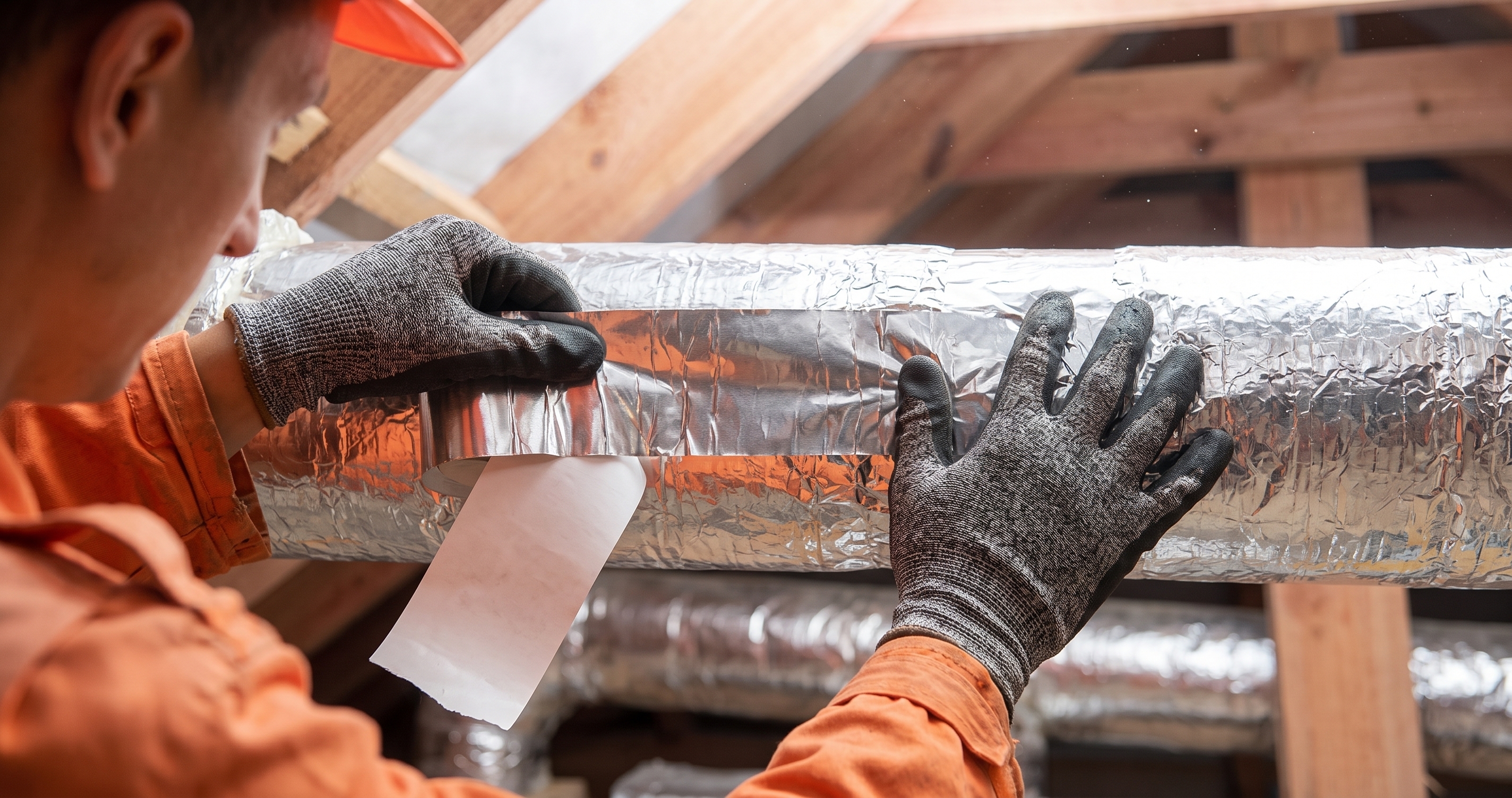
When selecting the right foil tape for your needs, evaluate the specific requirements of your project to ensure optimal performance and efficiency. Start by considering the environmental conditions where the tape will be applied. For instance, if your project involves extreme temperature fluctuations or high humidity, industrial-grade aluminum foil tape is ideal due to its wide temperature range and robust moisture resistance.
Next, assess the application requirements. If your task involves soldering or requires excellent electrical conductivity, copper foil tape is the best choice. Its superior conductive properties make it indispensable for electronics manufacturing and EMI shielding. On the other hand, if the goal is to provide a vapor barrier or reflect heat, general-purpose aluminum foil tape offers versatility and effective thermal management.
Material properties are another pivotal factor. For projects demanding quick application and minimal waste, self-wound aluminum foil tape is advantageous due to its liner-free design, which speeds up the application process. In construction settings where strength and tear resistance are paramount, foil-scrim-kraft tape provides a durable solution with its layered composition.
Consider the specific industry standards and regulations that may apply to your project. For specialized applications such as radiation shielding in medical or scientific fields, lead foil tape offers the necessary density and pliability for effective protection.
Consulting with suppliers or industry experts can also provide valuable insights, especially for unique or challenging applications. By thoroughly comprehending the distinct characteristics and advantages of each type of foil tape, you can make informed decisions that enhance the quality and longevity of your projects.
Get the Right Foil Tape for the Job From Tape Jungle
Foil tape is a versatile tool across industries, tailored to specific applications. By recognizing the different types and their unique properties, professionals can make informed decisions that enhance project outcomes. Whether for HVAC systems, electronics, or construction, choosing the right foil tape ;can significantly impact efficiency and effectiveness. For further assistance or purchasing options, contact us ;at Tape Jungle to equip yourself with the right foil tape ;for your project demands.