

 Canadian Dollar
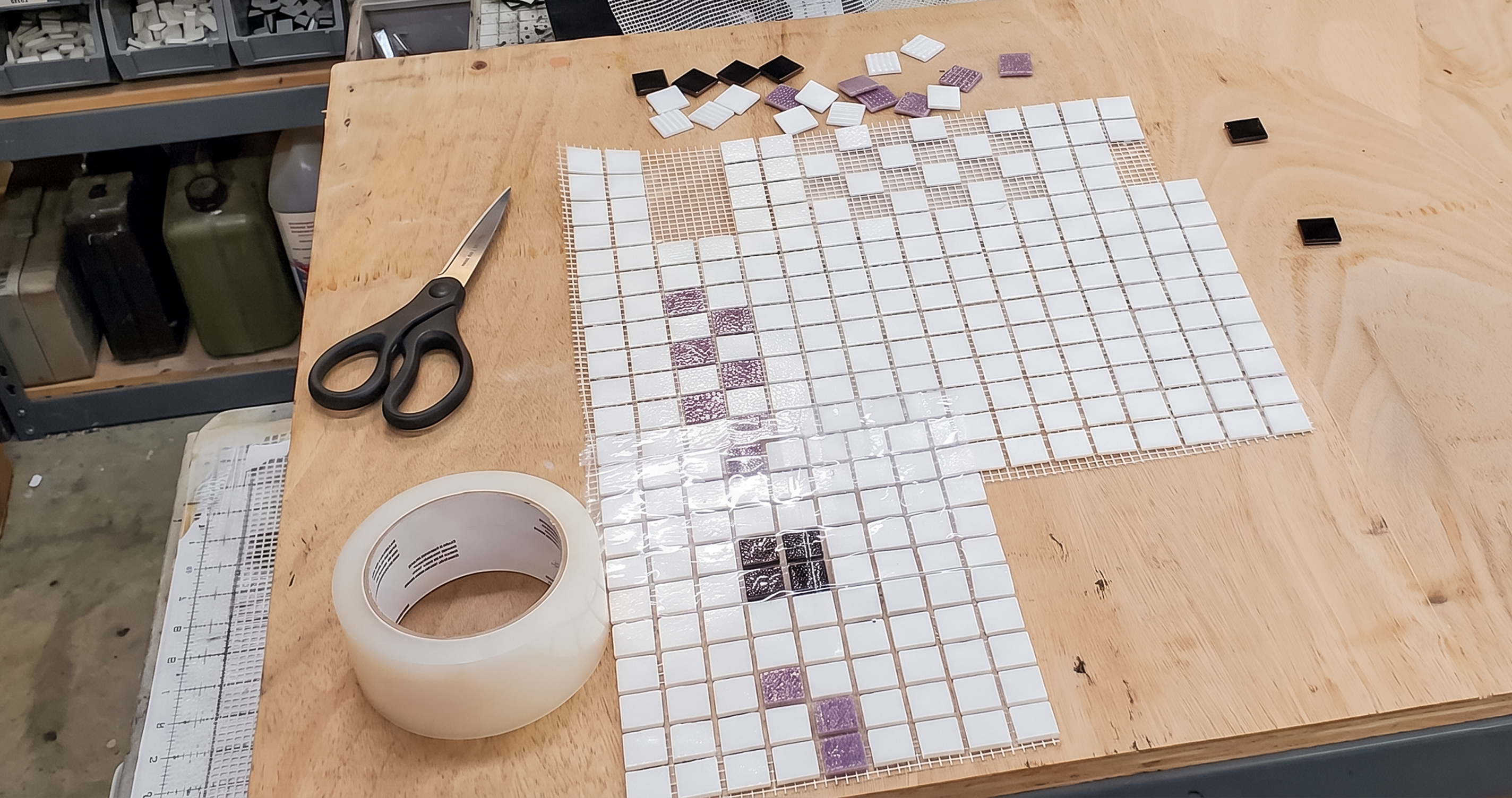
How Mosaic Tile Manufacturers Keep Sheets Intact From Fabrication to Job Site
Mosaic sheets leave fabrication as precise patterns, but individual pieces can shift, chip, or lose alignment long before they reach the installer. Every movement in packing, transit, unloading, and handling increases the risk of rework, delayed installation, and damaged product claims.
Front-mounted LDPE film solves that problem by holding each tile in place from the face side. The clear film keeps the pattern visible while creating a unified sheet that travels, stores, and handles more reliably. For manufacturers, fabricators, distributors, and wholesale suppliers, the right mosaic tile tape protects pattern integrity without adding cleanup work after installation.
What Goes Wrong Between the Factory and the Floor
A finished mosaic sheet only performs as intended when every piece stays in its original position. Without face-side support, small movements during packing, palletizing, truck transit, or job-site handling can affect the full sheet.
Common issues include:
- Tile pieces sliding out of alignment before the sheet reaches the installer
- Corners or edges chipping when individual pieces move against each other
- Pattern lines opening up, closing in, or twisting during transport
- Installers spending extra time resetting tiles before placing the sheet
- Distributors managing returns, replacements, or damaged product claims
These problems create costs that extend beyond the broken sheet. A shifted pattern can delay installation, disrupt production schedules, and weaken customer confidence. For manufacturers and wholesale suppliers, consistent sheet stability protects both the product and the relationship with the installer receiving it.
How Front-Mounted LDPE Film Works
Front-mounted tile tape attaches to the face of a mosaic sheet before packing, so it holds individual pieces together from the visible side. Instead of relying on backing material alone, the film bridges the tile faces and keeps the pattern locked in its intended layout while the sheet moves through handling, storage, and transit.
LDPE tile tape uses a flexible polyethylene film that conforms across slight surface variation without covering the design. The acrylic adhesive grips with enough strength to keep tiles aligned during fabrication and shipping, then releases after installation without leaving residue on the tile face.
That balance matters for manufacturers working with stone, glass, and ceramic. Clear tile fabrication tape needs to protect the sheet without creating a cleanup problem for the installer. When the sheet arrives intact and the film peels away cleanly, manufacturers reduce replacement claims and deliver a product installers can place with greater confidence.
Why Crystal Clear Beats Paper-Backed Mesh
Paper-backed mesh can hold tiles together, but it blocks the installer’s view of the full pattern during placement. When the pattern sits behind an opaque backing, installers have less visual feedback while setting sheets into thinset. That creates more room for crooked lines, uneven spacing, or small layout errors that only appear after the sheet is placed.
Crystal clear front-mounted tile tape keeps the design visible from fabrication through installation. Installers can see color variation, grout spacing, borders, and pattern alignment before the thinset sets. That visibility helps them position each sheet accurately and make adjustments early.
Clear ;polyethylene film tape ;removes the need for release paper. The film can self-level across tiles with uneven thicknesses, which makes it a strong option for mixed-material mosaics, dimensional pieces, and handcrafted sheet designs. For manufacturers, that means better pattern control without hiding the finished surface.
Key Features to Look for in Mosaic Tile Mounting Film
Choosing a tile sheet assembly tape comes down to three working requirements: adhesion that holds through fabrication and transit, visibility that preserves layout accuracy, and durability that survives handling without tearing. When those features work together, manufacturers reduce shifting, limit damage claims, and send installers sheets that arrive ready to place.
Adhesion and Clean Release
Adhesion strength determines whether the film can keep small tile pieces in formation through cutting, packing, stacking, and transit. Mosaic tile tape needs enough grip to hold the sheet as a single unit, especially when the product moves across worktables, into cartons, and through distributor warehouses.
Clean release matters just as much. After installation, the film should peel from the tile face without leaving adhesive residue that creates extra cleanup or risks surface damage. The right acrylic adhesive balances holding power with removable performance, so manufacturers protect the sheet during the highest-risk stages without creating problems after the installer sets the tile.
Visibility and Material Compatibility
Visibility affects both fabrication checks and final placement. Clear tile fabrication tape allows teams to inspect pattern alignment before shipping and lets installers see grout spacing, color variation, borders, and directional details during layout. That clarity reduces guesswork when sheets meet thinset.
Material compatibility also shapes performance. LDPE tile tape designed for stone, glass, and ceramic provides manufacturers a single film option across common mosaic materials. UV resistance, flexibility, and high elongation support handling, storage, and peeling because the film can stretch and conform without cracking, creasing, or obscuring the tile face.

Residue-Free Release on Stone, Glass, and Ceramic
A strong hold solves only half the problem. After installers set the sheet, the film must release from the tile face without leaving adhesive behind. Residue can create haze, dull the finished surface, or add cleaning work before grouting, especially on high-visibility glass, polished stone, and ceramic mosaics.
Clear tile fabrication tape with an acrylic adhesive system protects the sheet during shipping and handling, then peels away cleanly after set. That clean removal gives manufacturers a better option for premium materials where surface appearance drives product value.
UV resistance and long-term aging stability help the film maintain clarity during storage and staging. High elongation also allows the film to stretch during removal instead of tearing across uneven tile heights or textured surfaces.
Choosing the Right Width for Your Sheet Size
Tape width affects coverage, application speed, and material waste. A roll that matches the sheet format gives fabricators the support they need without excess overlap or trimming. Tape Jungle offers LDPE mosaic mounting film in widths from 3 inches to 54 inches, giving manufacturers options for narrow accents, standard sheets, and high-volume production.
Smaller Widths for Mosaic Sheets and Accent Strips
Use 3-inch and 4-inch widths for smaller mosaic sheets, border pieces, and narrow accent strips. Narrower rolls reduce excess film around compact formats and make hand application easier at the fabrication table. They also give production teams tighter control when sheet designs include small runs, mixed materials, or specialty patterns that do not require full-width coverage.
Standard and Production Widths
Use 6-inch and 12-inch widths for standard mosaic sheet formats that move through regular fabrication, packing, and distribution. For larger sheets or high-volume production, the 54-inch format gives teams full-width coverage with fewer application passes.
Tape Jungle’s ;LDPE Mosaic Tile Tape 63502M ;supports sheet assembly, handling, and tile transit tape applications across production sizes.
Is This Tape Right for Your Operation?
If your team sheets individual mosaic pieces for distribution, fabrication, or installation, front-mounted LDPE film can reduce movement before the product reaches the job site. It fits operations that need to protect pattern alignment during packing, palletizing, transit, warehousing, and installer handling.
This tape works well for tile manufacturers, stone fabricators, distributors, and wholesale suppliers that need clear face-side support without residue cleanup after set. It also gives production teams flexibility across product lines, since widths from 3 inches to 54 inches support narrow accents, standard mosaic sheets, and larger fabrication formats.
Shop LDPE Mosaic Tile Tape 63502M by roll or case to match your production volume. For help comparing widths, planning bulk orders, or confirming the best option for your sheet format, contact Tape Jungle.