

 Default Currency
Truck and Trailer Safety Doesn't Have a Season
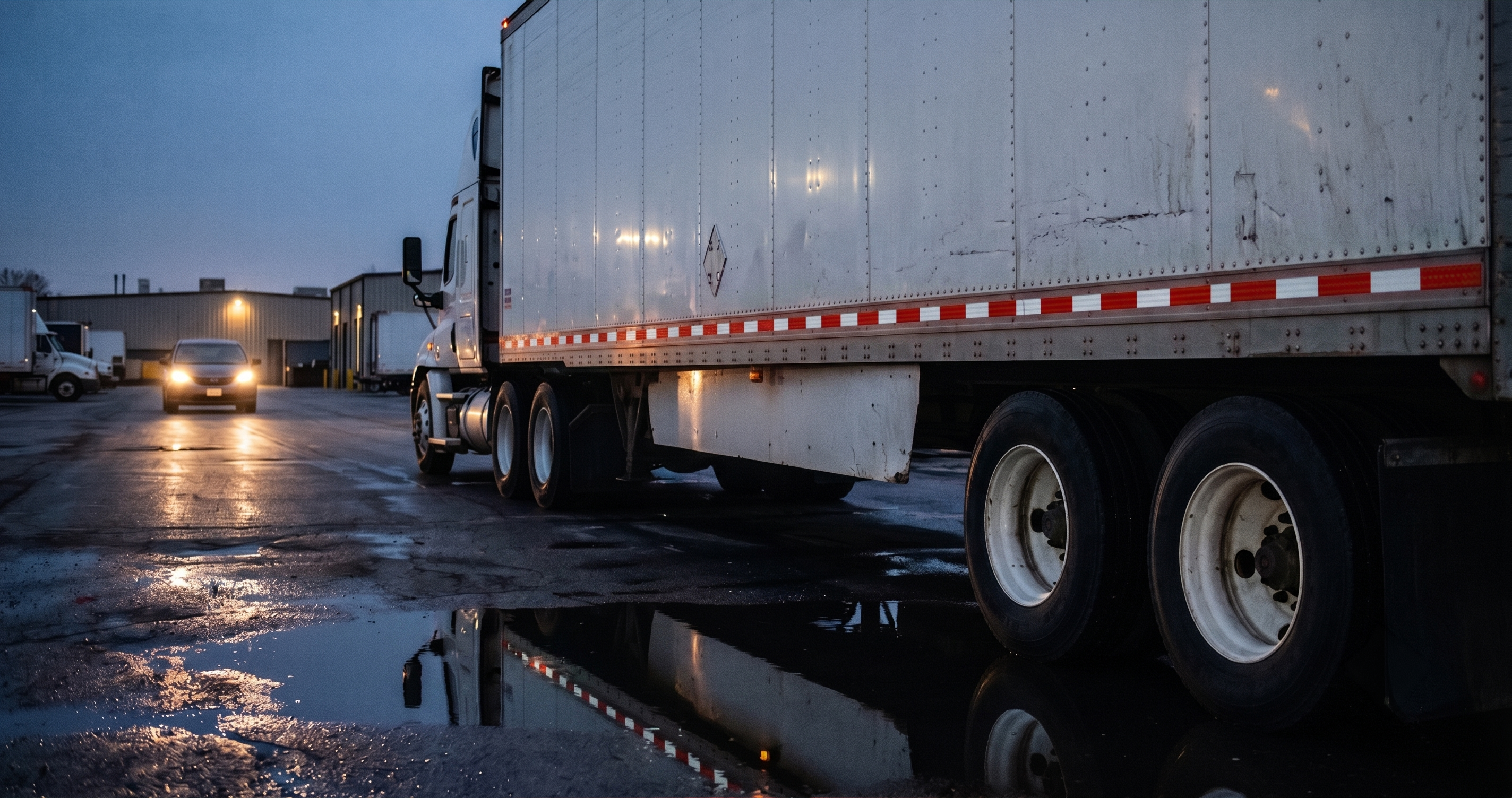
Fleet operators often overlook trailer conspicuity tape, even though it ranks among the most recognizable safety features on commercial vehicles, until an inspection, violation, or damaged section draws attention to it. Every day, trailers operate in darkness, rain, fog, construction zones, and other conditions where reflective markings help define a vehicle's size and position for surrounding drivers.
Federal regulations require many trailers and truck bodies to display DOT-C2 reflective tape in specific patterns and locations. Maintaining those markings goes beyond initial installation, since weather, road debris, pressure washing, loading activity, and daily wear can reduce reflectivity or remove sections over time.
For fleet managers, owner-operators, trailer manufacturers, and dealers, trailer safety tape is part of ongoing maintenance that keeps equipment aligned with federal visibility requirements year-round.
Why Trailer Visibility Is a Year-Round Compliance Issue
Commercial trailers operate in conditions where visibility can change quickly. Dawn, dusk, nighttime driving, fog, rain, snow, and road spray can make it harder for motorists to judge a trailer’s size, position, and distance. Reflective conspicuity markings help make the rear and sides of a trailer more visible when illuminated by headlights in low-light environments.
Over time, sections may peel, crack, discolor, lose reflectivity, or become damaged during daily operations. Missing or deteriorated markings can draw attention during roadside inspections, annual vehicle inspections, compliance reviews, and DOT audits.
National initiatives such as Trailer Safety Week, held June 7–13, 2026, highlight the importance of visibility and maintenance, but enforcement continues year-round. Inspectors may check commercial vehicles at weigh stations, roadside checkpoints, fleet terminals, customer facilities, and maintenance shops at any time.
For fleets managing large numbers of trailers, reflective tape for trucks is often treated as a routine inspection item alongside lights, tires, and brakes. Identifying damaged sections early and replacing them with compliant DOT-C2 tape helps maintain consistent visibility and reduce inspection-related disruptions.
What DOT-C2 Tape Actually Requires
Federal conspicuity regulations established by the Federal Motor Carrier Safety Administration and the National Highway Traffic Safety Administration require many trailers and truck bodies to display reflective markings that improve visibility to other motorists. These DOT tape requirements generally apply to trailers, semitrailers, and certain truck bodies with a GVWR over 10,000 pounds.
The standard calls for DOT-C2 retroreflective sheeting with alternating red and white segments. The truck visibility tape must be at least 2 inches wide and permanently marked with the DOT-C2 designation, confirming compliance with federal requirements for brightness, color, durability, and nighttime visibility performance.
Placement is a key part of compliance. Regulations require reflective markings along significant portions of each trailer side and across the lower rear, with additional rear placements used to help define width and outline at night. While exact configurations can vary by trailer design, the objective remains consistent: improving visibility from multiple angles on public roads.
Some vehicle types have limited exemptions, including certain pole trailers or equipment configurations that cannot accommodate standard placement. Even so, most commercial trailers in active service are subject to DOT tape requirements. Verify any exemption against current regulations rather than assuming it applies.
Compliance extends beyond installation. Truck visibility tape gradually degrades due to UV exposure, weather, road salt, chemicals, abrasion, and repeated washing. As reflectivity declines, nighttime visibility decreases as well.
For that reason, many fleets include inspections of conspicuity tape in preventive maintenance routines, replacing faded, damaged, or missing sections with compliant DOT-C2 tape to maintain consistent visibility throughout the trailer’s service life.
What Happens When Reflective Tape Fails or Goes Missing
DOT-C2 reflective tape makes trailers visible at night and in poor weather by reflecting light toward approaching drivers. When the tape becomes faded, cracked, dirty, or partially missing, visibility drops. Drivers approaching from the rear or side may have less time to identify a trailer’s size, position, or movement, especially on unlit roads or during rain, fog, and other low-light conditions.
The decline is often gradual. Reflective sheeting can lose performance long before it fully fails. A trailer that appears properly marked during a daytime inspection may reflect significantly less light at night. UV exposure, road salt, fuel residue, pressure washing, and years of service all contribute to reduced performance.
Missing or deteriorated markings can also lead to compliance issues during roadside inspections. Depending on severity, fleets may face citations, corrective actions, inspection violations, or out-of-service orders. A trailer taken out of service can delay deliveries, disrupt schedules, and increase maintenance costs.
Liability exposure increases after collisions involving trailers with damaged or missing markings. Investigations often review maintenance records, inspection reports, and vehicle condition, and DOT tape requirements may factor into the evaluation. Insurance carriers may also consider maintenance history when assessing risk, which can influence claims handling or premiums.
Because deterioration is gradual, issues often go unnoticed until inspections or incidents reveal them. Regular checks help identify worn sections early and keep trailers properly marked.

Choosing the Right Reflective Tape for Your Fleet
Not all reflective tape meets federal conspicuity requirements. For commercial trailers operating under DOT regulations, the first consideration is whether the product is DOT-C2-compliant. General-purpose reflective tape may look similar, but without the DOT-C2 designation, it may not meet DOT tape requirements for trailers and truck bodies subject to federal marking rules.
Reflective sheeting options vary by performance level. Engineering-grade materials are typically used for signs and lighter-duty applications, while high-intensity prismatic sheeting reflects more light to the source and offers greater brightness, longer service life, and improved durability in transportation environments. Many fleets select high-intensity prismatic DOT reflective tape for trailers that see high mileage or operate in demanding weather.
DOT reflective tape regulations for trailers set the color and pattern. DOT-C2 tape uses alternating red and white segments to define the trailer outline at night. Maintaining the correct configuration helps ensure compliance and keeps markings consistent across the fleet.
Adhesive performance also affects long-term results. Trailers must deal with temperature swings, moisture, road salt, fuel residue, pressure washing, and frequent loading. If adhesive strength is weak, tape may lift, crack, or peel, leading to repeated repairs and downtime.
Fleet size and equipment type also influence purchasing decisions. While DOT-C2 tape is typically 2 inches wide, roll lengths vary. Matching roll size to trailer types such as dry vans, flatbeds, reefers, tankers, and specialty units helps reduce waste and streamline installation across multiple locations.
For fleet managers, manufacturers, and dealers, reflective tape selection goes beyond basic visibility. Material quality, adhesive performance, and DOT-C2 certification all affect how long markings remain serviceable in daily operation, helping maintain consistent trailer visibility over time.
How to Inspect and Replace Trailer Conspicuity Tape
Inspect conspicuity tape as routinely as lights, tires, and other exterior safety components. Because reflective sheeting gradually wears over time, regular visual checks help identify issues before they lead to inspection findings or larger replacement work.
During inspections, look for:
- Peeling or lifting edges
- Cracks or tears
- Missing sections
- Fading or discoloration
- Impact damage from loading equipment or road debris
- Dirt or residue that blocks reflectivity
Nighttime checks can reveal issues that daylight inspections may miss. Using headlights or a flashlight can highlight uneven reflections or dull sections that no longer consistently return light.
Replacement timing depends on climate, mileage, storage conditions, and tape quality. Many fleets replace sections during scheduled maintenance rather than waiting for visible failure. Equipment in harsh weather, coastal regions, or areas with heavy road salt may require closer monitoring and more frequent replacement.
Before installing DOT-C2 tape, surface preparation directly affects adhesion. The application area should be clean, dry, and free of grease, wax, dirt, or loose material. Installation on cold or wet surfaces can reduce bond strength and shorten service life.
During application, firm pressure with a squeegee or roller helps eliminate air pockets and ensure full contact. Do not stretch the tape. Edges or corners may benefit from a slight overlap to reduce lifting over time.
After installation, allow proper curing time before exposing the trailer to pressure washing, heavy rain, or road spray. Following manufacturer guidance helps maintain long-term adhesion performance.
For fleets, inspections are often built into pre-trip checks, preventive maintenance schedules, annual inspections, and refurbishment cycles to keep DOT reflective tape for trailers in consistent working condition.
Fleet-Scale Procurement for DOT Tape
For fleets managing multiple trailers, purchasing reflective tape works best when integrated into a broader maintenance and inventory plan. A 53-foot dry van, flatbed, tanker, and specialty trailer can each require different amounts of DOT-C2 tape, depending on their layouts and marking needs. Estimating usage by trailer type helps maintenance teams forecast demand, manage budgets, and reduce supply gaps.
As fleet size grows, buying by the case often lowers cost per foot compared to ordering individual rolls. Fleets operating 10 or more trailers commonly keep dedicated inventory for routine repairs, refurbishments, inspection corrections, and new equipment preparation.
Keeping DOT-compliant tape in stock allows maintenance teams to replace damaged or missing sections immediately rather than waiting for shipments. Even a modest on-site inventory can reduce downtime, limit inspection delays, and keep trailers road-ready.
Many trucking companies, trailer manufacturers, and dealers also standardize on a single DOT-C2 specification across their equipment. Using consistent tape width, reflective sheeting type, and roll lengths simplifies purchasing and reduces inventory complexity across locations.
Supplier selection often extends beyond price, with availability, consistency, and inventory depth playing a major role. Tape Jungle offers a broad range of DOT-C2 vehicle and trailer tape options, including high-performance reflective products designed for commercial transportation use. Multiple roll sizes and case quantities support both routine maintenance and large-scale fleet needs.
Whether managing a small group of trailers or a nationwide operation, maintaining a consistent supply of DOT reflective tape for trailers helps reduce last-minute ordering, streamline maintenance workflows, and keep equipment properly marked.
Browse Tape Jungle's DOT vehicle and trailer tape selection to find compliant reflective tape for your fleet, or contact us for assistance with product selection or bulk ordering.