

 Default Currency
When Double Sided Tape Fails: Diagnosing Lifting, Poor Adhesion, and Removal Nightmares
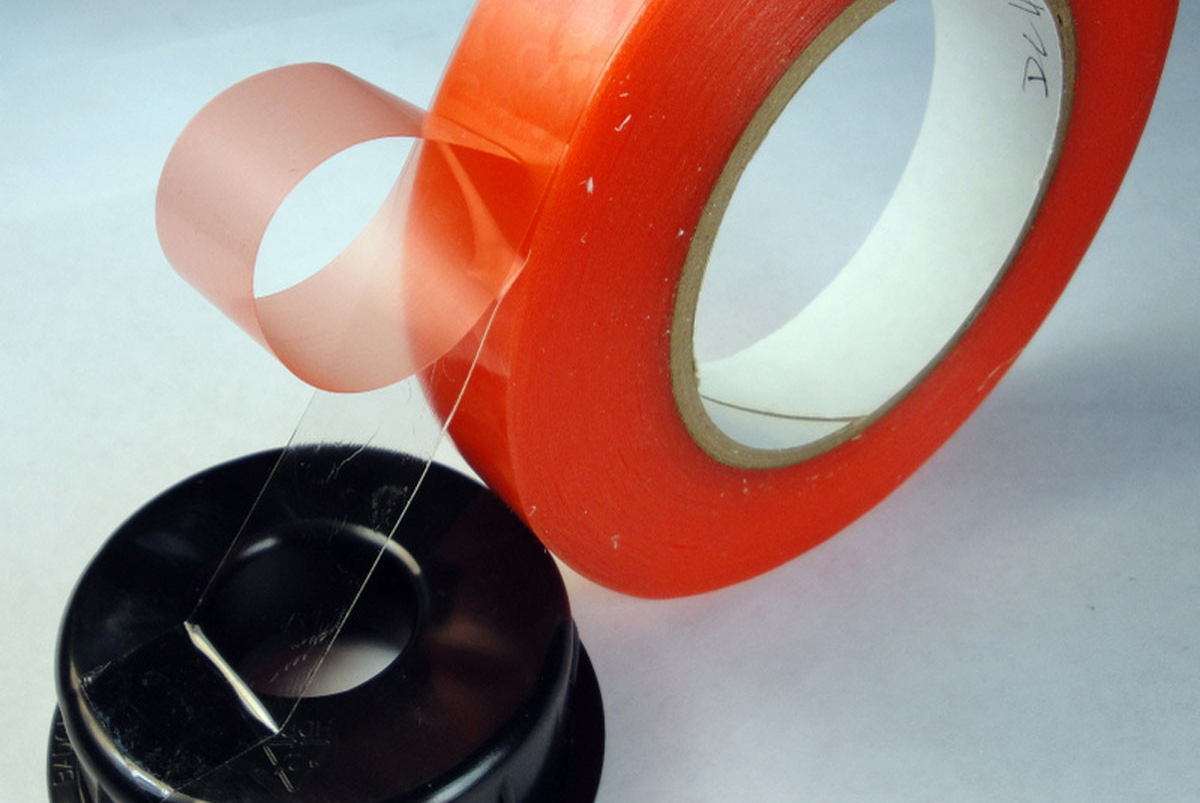
Double sided tape is a go-to for DIY projects, professional installations, and office setups, but it can sometimes let you down. Whether it's lifting, not sticking, or peeling off, these issues can derail your project. For DIY enthusiasts, professional installers, and office managers, understanding why these tapes fail improves the success of tape applications. There are practical solutions to common problems, such as lifting and poor adhesion. From dealing with cold weather to tackling tricky plastic surfaces, find out how to choose the right tape for a reliable hold.
Common Issues With Double Sided Tape
Understanding the common issues with double sided tape is vital for achieving successful results in various applications.
Why Is My Double Sided Tape Lifting?
If your double sided tape is lifting, the culprit might be the surface it's sticking to. Rough or uneven surfaces can prevent the tape from adhering properly. Dust, grease, or moisture can also act as barriers, weakening the bond. Environmental conditions such as humidity and temperature fluctuations can further complicate adhesion. Humidity can introduce moisture that disrupts the adhesive, while heat can soften it, causing it to lose its grip.
To combat these issues, make sure surfaces are clean, dry, and smooth before applying the tape. A quick wipe with rubbing alcohol can clear away contaminants. Also, consider using a tape specifically designed for challenging conditions, such as high humidity or extreme temperatures, to ensure a strong hold.
double Sided Tape Not Sticking: Causes and Solutions
When double sided tape fails to stick, it can throw a wrench in your plans. The surface you're working with is often a key factor. Non-porous surfaces, such as glass or metal, may require a tape with a stronger adhesive to ensure a solid bond. If the surface is too smooth or too textured, the adhesive might not make full contact, reducing its effectiveness.
The tape's age and quality also matter. Adhesives can lose their stickiness over time, so it's wise to check the expiration date and storage conditions. Low-quality tapes might lack the necessary adhesive strength for some tasks, so opting for a premium product can make a significant difference.
Environmental conditions play a role, too. Cold temperatures can harden the adhesive, while excessive heat can soften it, both of which can lead to poor adhesion. Applying tape at room temperature and allowing it to cure properly can help.
To improve tape performance, start by thoroughly cleaning and drying the surface. Use isopropyl alcohol to remove oils or residues. Apply firm, even pressure to the tape to ensure full contact. A roller or similar tool can enhance the bond. Choosing a tape that suits your specific needs, like double sided foam tape for uneven surfaces, can also improve results.
double Sided Tape Peeling Off: Troubleshooting Tips
Dealing with double sided tape that peels off can be a real hassle. This often happens because dust and debris accumulate on the adhesive, weakening its bond. Changes in temperature and humidity can also cause the adhesive to break down, leading to peeling.
To avoid this, ensure the surface is clean and dry before applying the tape. Keep your fingers off the sticky side to prevent oils from affecting its grip. When applying the tape, press down firmly and evenly, using a roller if available, to ensure it adheres well.
Consider the weight of what you're mounting. If it's heavy, the tape might not hold over time. In these cases, choose a tape designed for heavy-duty use or add extra support to keep everything in place.
For areas with large temperature swings, select a tape designed to withstand those conditions. Some tapes are specially formulated to remain sticky in both hot and cold conditions, reducing the risk of peeling from temperature changes. By taking these steps, you can achieve a more dependable and lasting bond.
Choosing the Right double Sided Tape for Your Needs
Picking the right double sided tape ensures a successful project, whether you're hanging a picture or securing signage. With so many options, understanding the features and best use cases of each type can help you choose the right one.
Best double Sided Tape for Mounting
For mounting tasks, the tape you choose can make a big difference. Look for options with strong adhesive bonds that can handle the weight of what you're mounting. double sided foam tape is a favorite for mounting because its foam core adapts to uneven surfaces, ensuring a firm grip. It's perfect for lightweight items like posters or small frames.
If you're dealing with heavier items, opt for a high-tack acrylic-based tape. These tapes support more weight and adhere well to surfaces such as painted walls and wood. Always check the manufacturer's details to confirm the tape's weight capacity.
double Sided Tape for Plastic Surfaces
Taping plastic surfaces can be tricky because their low surface energy can weaken adhesion. Choose tapes made for plastic, often with specialized adhesives that bond well to materials such as polyethylene and polypropylene. Rubber-based adhesives can improve plastic grip, making them ideal for securing plastic trims or parts. Clean the surface with isopropyl alcohol to remove any oils or residues that might affect adhesion.
double Sided Tape Cold Weather Conditions
Cold weather can affect tape performance by hardening the adhesive. For colder climates, select tapes designed to stay flexible and sticky in low temperatures. Ensure both the tape and surface are at room temperature before application to maximize adhesion. Some tapes need more time to cure in cold conditions, so follow the manufacturer's instructions for the best outcome. Choosing the right tape for cold weather helps prevent lifting and peeling, ensuring a strong bond regardless of the temperature.
Effective Use and Removal of double Sided Tape
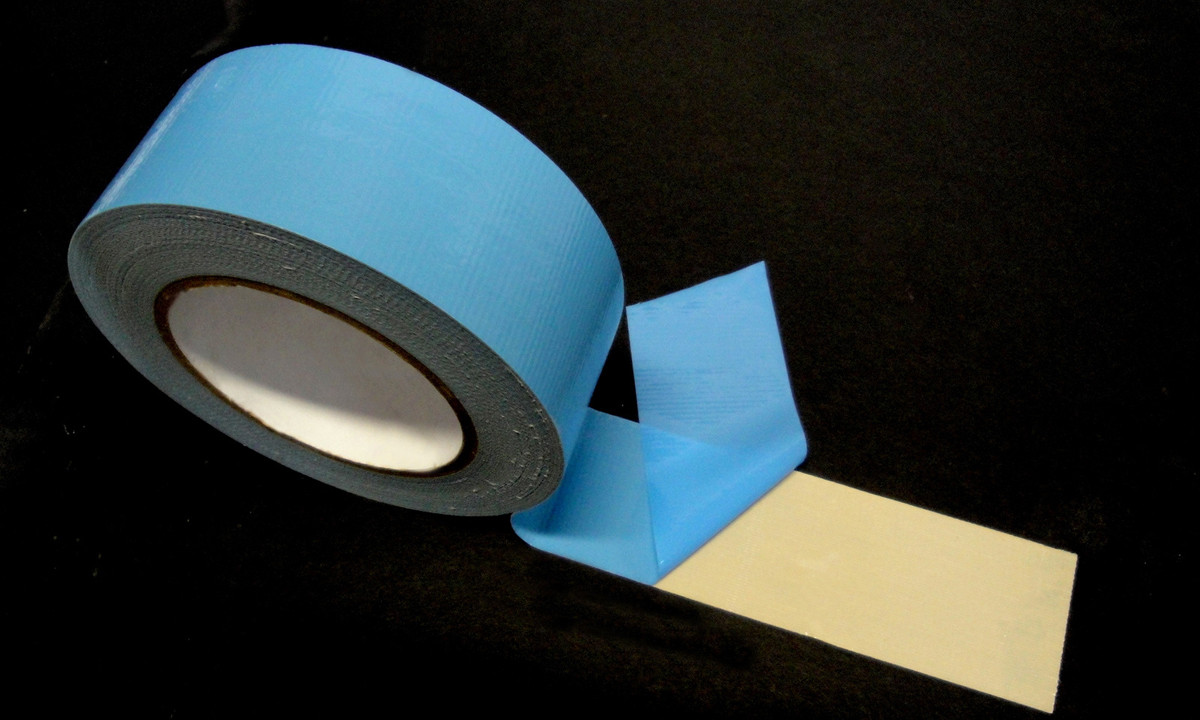
When using double sided tape effectively, understanding the nuances of its application and removal is essential.
How to Remove double Sided Tape Without Residue
Removing double sided tape without leaving a sticky mess can be tricky, but it's doable with the right steps. Start by gently heating the tape with a hairdryer or heat gun to soften the adhesive and make it easier to remove. Be cautious with the heat to avoid damaging the surface.
Once warmed, use a plastic scraper or an old credit card to lift the tape's edge and peel it away slowly. If any adhesive remains, dab a cloth with isopropyl alcohol or adhesive remover and gently rub the area to dissolve the residue. For stubborn spots, a mix of baking soda and cooking oil can work wonders. Apply it, let it sit briefly, and wipe it clean.
Always test any solvent or method on a small, hidden area first to ensure it doesn't harm the material. Following these steps helps keep surfaces clean and intact.
Tips for Maximizing Tape Adhesion
To ensure your double sided tape holds strong, preparation and application are crucial. Start by cleaning the surface thoroughly with a lint-free cloth and isopropyl alcohol to remove dust, oils, or other contaminants. Make sure the surface is completely dry before applying the tape.
Apply the tape at room temperature, as cold tape can be less flexible and may not adhere well. Press the tape down with firm, even pressure to ensure it fully contacts the surface. Using a roller can help achieve a stronger bond.
Allow the tape to cure properly, which can take from a few minutes to a full day, depending on the tape type and conditions. Avoid placing weight on the tape until it's fully set. These practices enhance the tape's performance, ensuring a reliable, long-lasting hold.
Addressing double Sided Tape Woes With Knowledge
Understanding the common issues with double sided tape (lifting, poor adhesion, and peeling) can make all the difference in your projects. By pinpointing these issues, you can choose the right tape for your needs, whether you're dealing with mounting challenges, plastic surfaces, or cold weather. Proper preparation and application are key to ensuring your tape sticks firmly and lasts.
For DIYers, professional installers, and office managers, picking the right double sided tape can save time and prevent headaches. Check out Tape Jungle's wide selection of products to find the perfect match for your project. Whether you need a tape for tricky surfaces or specific environmental conditions, our offerings meet a range of requirements.
Need more help or have questions? Visit Tape Jungle's contact page. Our team is ready to assist you in finding the best tape solutions for your projects.