

 Default Currency
Job Site Tape Fails and What Tapes Contractors Use
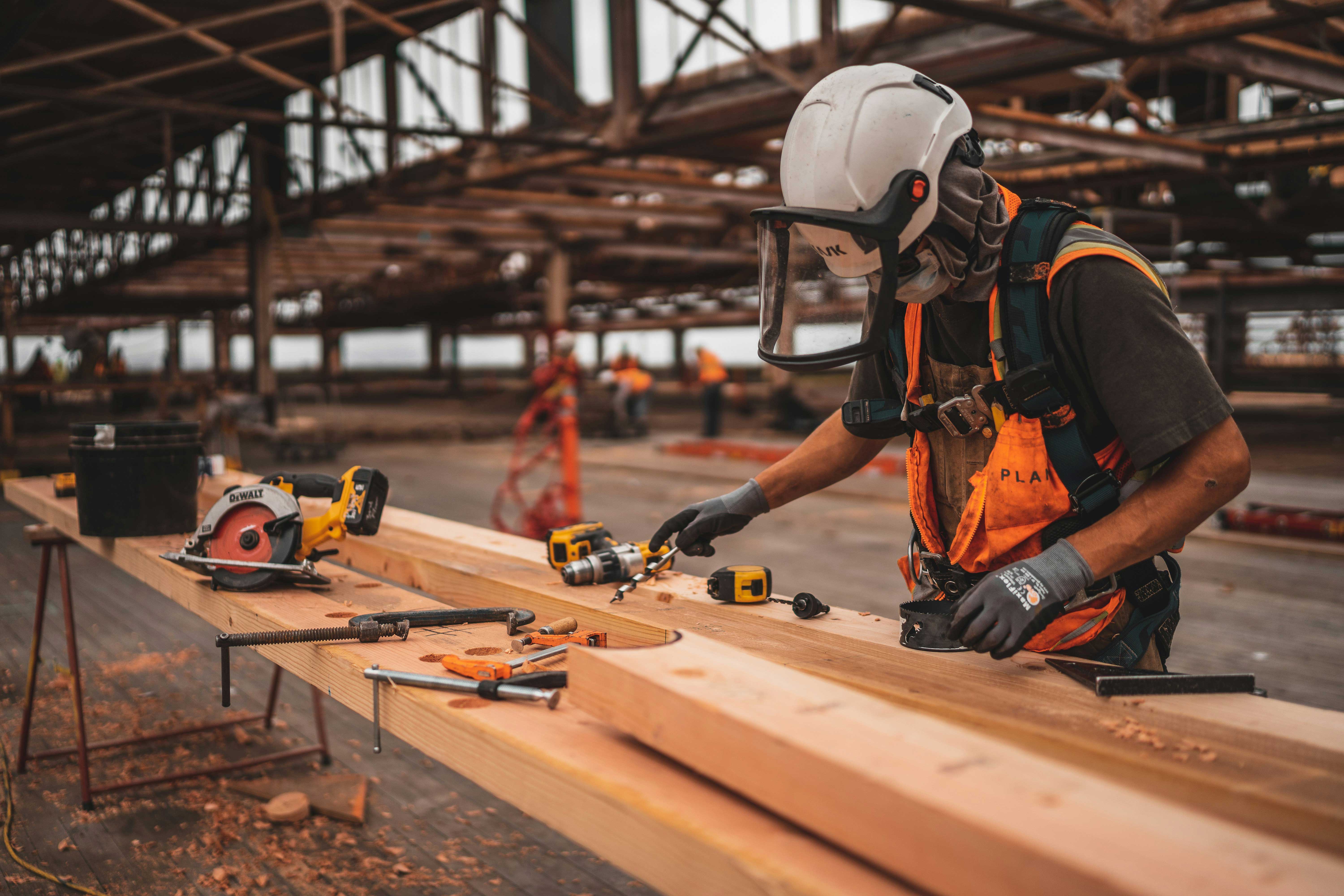
On an active job site, tape does more than hold a masking line. It helps protect surfaces, secure materials, support workflows, and keep projects moving on schedule. Yet many contractors still encounter failures caused by tapes that were never designed for construction conditions.
Dusty surfaces, temperature swings, extended exposure, and constant traffic quickly expose the limits of consumer-grade products. When tape fails, crews spend valuable time fixing preventable problems instead of completing the work.
The right job site tape helps contractors maintain productivity and avoid costly setbacks. Professional-grade masking, flatback, surface protection, and strapping tapes deliver the performance construction environments demand. Knowing where standard tapes fall short can help you choose products built for the realities of the job site.
Why Job Sites Break Standard Tape
Construction sites create conditions that quickly expose the weaknesses of consumer-grade tape. Products designed for household projects often struggle when they encounter dust, rough surfaces, changing temperatures, and extended use.
Drywall, concrete, and OSB present a particular challenge because their porous surfaces reduce adhesive contact. Dust and debris make the problem worse, causing tape to lift long before the job is complete. This issue affects everything from masking tape for construction to temporary surface protection.
Temperature changes also create problems. A tape that holds up inside a climate-controlled space may fail when exposed to direct sunlight, overnight temperature drops, or shifting conditions between interior and exterior work areas.
Multi-day projects add another layer of risk. Longer exposure can increase adhesive transfer, leave residue behind, or damage surfaces during removal. Add foot traffic, equipment movement, and routine handling, and many standard tapes simply cannot maintain performance under job site conditions.
What It Actually Costs Contractors When Tape Fails
Tape failure rarely ends with a roll replacement. In most cases, the real cost comes from the labor, delays, and corrections that follow.
Paint bleed can force crews to spend additional time touching up trim, walls, and finished surfaces. A failed masking line may only take seconds to happen, but correcting it can require hours of extra work. When multiple trades operate on the same schedule, even minor setbacks can affect the entire project timeline.
Adhesive issues create another expense. Some tapes bond too aggressively to fresh drywall, recently painted surfaces, or finished materials. Removing the tape can damage the surface and create additional repair work before the project can move forward.
Exterior projects face additional risks. If tape lifts during a multi-day installation, crews often need to stop work, re-mask surfaces, and repeat portions of the job. Choosing the right tape for construction helps reduce these avoidable costs and keeps projects moving efficiently.
The Tapes Professional Contractors Rely On
Professional contractors know the value of using the right tape for each task. They match tape selection to the demands of the job rather than relying on a single product for every application. Different surfaces, environments, and tasks require different performance characteristics. The right tape helps crews work more efficiently, protect finished surfaces, and reduce costly rework. The following categories address some of the most common challenges contractors face on active job sites.
Contractor Masking Tape
Painting, finishing, and surface preparation often require tape that can maintain clean lines across a variety of job site materials. Construction masking tape is key when crews work on drywall, trim, brick, concrete, and other common surfaces.
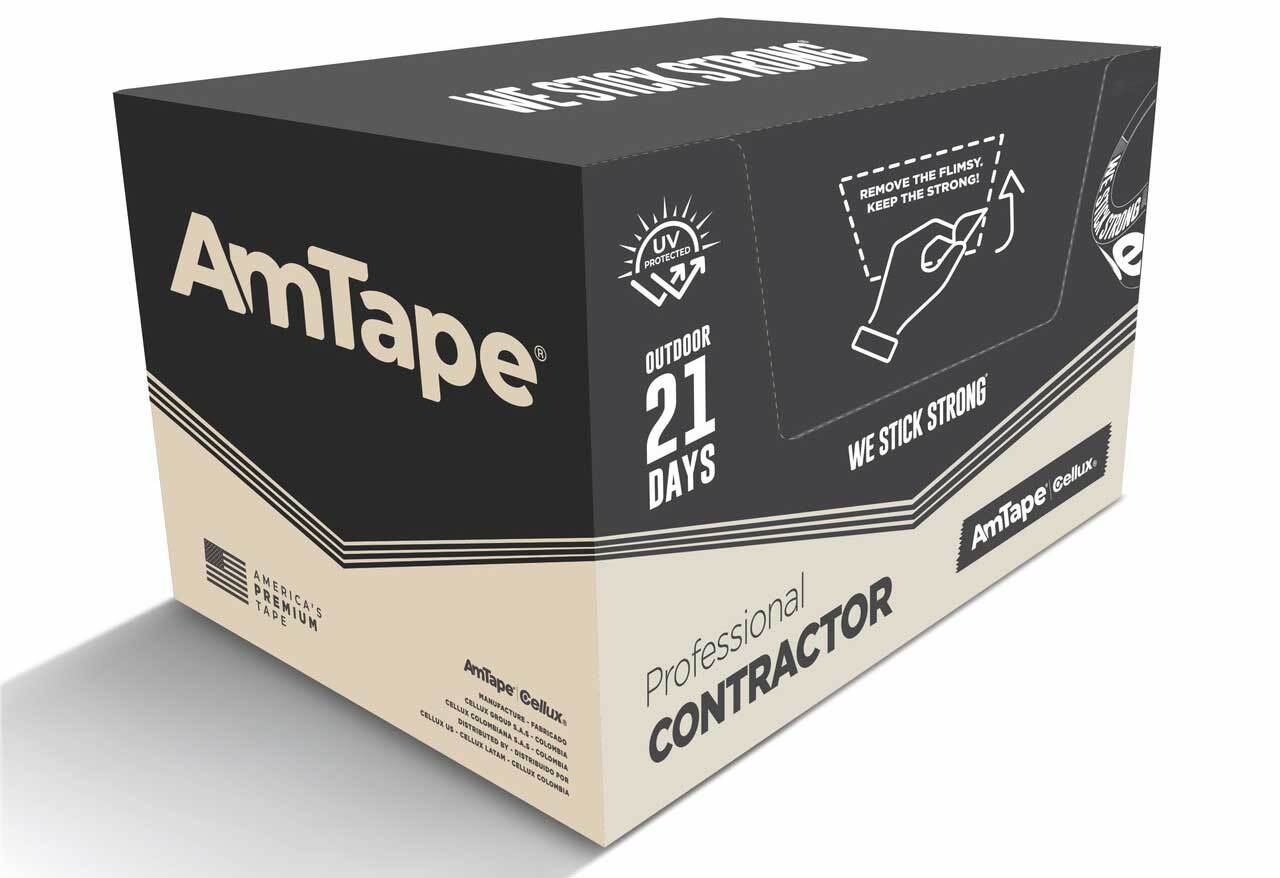
Tape Jungle's professional contractor masking tape (AMCON) is designed for the demands of active construction projects. It helps contractors maintain sharp paint lines through multiple coats while supporting clean removal when the work is complete. This makes it a practical choice for crews that need clean results and efficient workflows on active job sites.
Flatback Tape
Contractors use flatback tape for a wide range of job site tasks that extend beyond paint masking. Its durable paper backing and hand-tearability make it useful for bundling materials, seaming protective coverings, securing insulation, and holding vapor barriers in place during installation.
Unlike many general-purpose tapes, flatback tape removes the need for cutting tools in many applications, helping crews work faster and more efficiently. It also conforms well to irregular surfaces and maintains hold in demanding construction environments.
Looking for versatile flatback tape for contractors? Tape Jungle's flatback tapes include a variety of options designed for everyday construction and industrial use.
Surface Protection Tape
Construction projects often place finished surfaces at risk long before the job reaches completion. Foot traffic, tools, materials, and equipment can damage floors, countertops, windows, and other completed areas while work continues around them.
The right surface protection tape for construction projects helps protect finished surfaces throughout the project. Crews use it to secure temporary coverings in place without creating unnecessary cleanup or disrupting the finish underneath when removed properly.
These products help contractors reduce avoidable repairs, maintain a professional appearance on active job sites, and protect completed work until project turnover. Check out Tape Jungle's surface protection tapes to help protect surfaces during construction, renovation, and finishing work.
Filament Strapping Tape
Construction crews regularly move, stage, and store heavy materials throughout a project. Lumber, pipe, conduit, and other bundled materials require a tape that can handle tension and maintain hold during transport and handling.
Filament strapping tape uses reinforced fibers to provide additional strength compared to standard packaging or masking products. Contractors often use it to secure bundles, stabilize materials, and keep supplies organized on busy job sites.
Looking for a stronger solution for bundling and securing materials? Tape Jungle's filament strapping tapes include options designed for demanding industrial and construction applications.
Matching the Right Tape to the Job
The best tape for job sites depends on the conditions the tape will face. A product that performs well on one surface or project may fail completely in a different environment. Contractors who match tape selection to the application often see fewer failures, cleaner results, and less time spent on corrections.
Consider these factors before selecting a tape:
- Surface type: Porous materials such as drywall, concrete, and OSB require different adhesive performance than smooth surfaces like glass, metal, or finished trim. The right tape for drywall may not deliver the same results as the best tape for concrete.
- Mask time: Some projects require same-day removal, while others leave tape in place for several days. Longer exposure increases the importance of choosing a tape designed for extended holds and clean removal.
- Temperature exposure: Interior work often takes place in controlled environments, while exterior projects face heat, cold, sunlight, and changing weather conditions. Temperature changes can affect adhesion and removal performance.
Selecting the proper contractor tape before work begins helps prevent avoidable delays and protects the quality of the finished project. We offer a wide range of masking tape and construction-focused solutions. Explore our full lineup of construction industry tapes to match our products to your specific job site demands.
Buying Job Site Tape in Volume
Contractors and procurement managers often purchase tape by the case rather than by the roll. Case pricing can simplify purchasing, improve inventory planning, and reduce the risk of running short on materials during active projects.
Bulk ordering also helps maintain consistency across crews and job sites. When teams use the same products throughout a project, they spend less time adjusting to different tape performance and application methods.
For painting, finishing, and surface preparation work, professional contractor masking tape provides a dependable solution for ongoing job site use. Ordering in larger quantities provides crews with the materials they need as projects move from one phase to the next.
Companies managing multiple crews or locations may also benefit from custom printed tape for branding, package identification, and operational efficiency.
Planning tape purchases at the case level helps contractors stay supplied, reduce procurement headaches, and keep projects moving.
Built for the Realities of Construction Sites
Job sites create challenges that consumer-grade tapes simply were not designed to handle. Dust, rough surfaces, changing temperatures, extended mask times, and constant activity can quickly expose weaknesses in products that work well in lighter-duty environments.
Choosing the right tape for the application helps reduce rework, protect finished surfaces, and keep projects moving efficiently. From masking and flatback tapes to surface protection and filament strapping products, professional-grade solutions give contractors the performance they need throughout every phase of a project.
At Tape Jungle, we offer construction-focused tape solutions for a wide range of applications. Explore our product lineup or contact our team to find the right tape for your next job site challenge.